Embroidery: A Modern Script Font with Artistic Flair
When you're building a brand or crafting a visual project, the fonts you choose do more than just display words—they set a tone. They communicate personality before a single sentence is read. That's why finding a script font that feels both authentic and contemporary can be a game-changer. Enter Embroidery, a stylish typeface that captures the energy of hand-painted calligraphy but refines it for today's design landscape. It's not about mimicking old-world penmanship; it's about bringing a vibrant, artistic edge to your work.
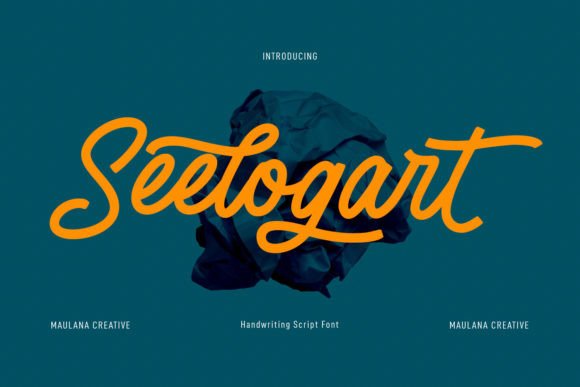
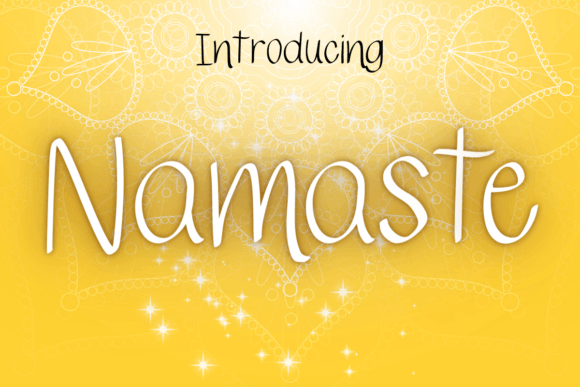
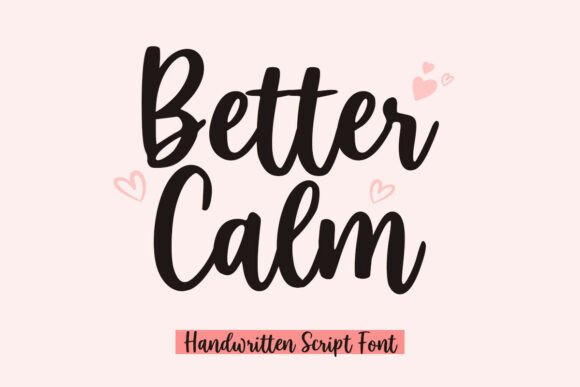
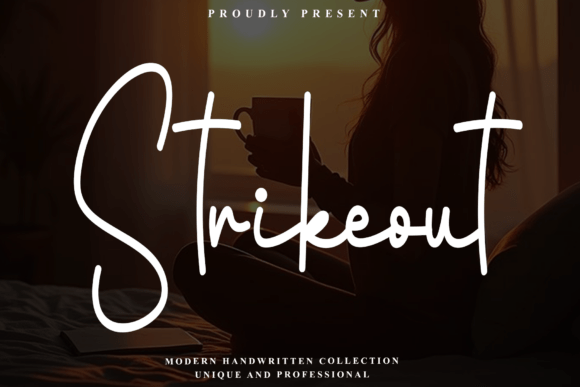
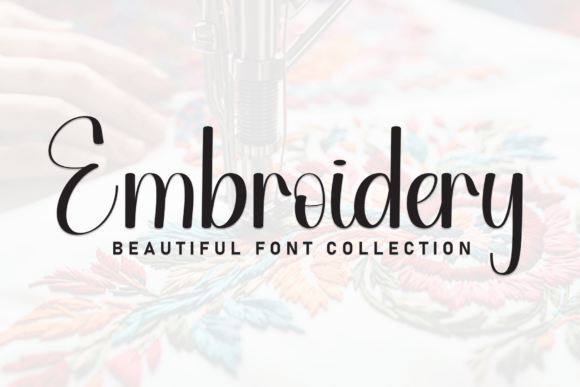
At its core, Embroidery is defined by its fluid brush strokes and dynamic curves. The letterforms have an expressive, almost kinetic quality—they feel like they were just written, with a natural ink flow and slight variations that give them life. This isn't a stiff, predictable font. It has a confident, contemporary elegance that makes it stand out from more traditional or overly decorative scripts. Think of it as the typographic equivalent of a skilled artist's quick, assured sketch. The overall appeal lies in this balance: it's artistic and full of character, yet structured enough to remain legible and versatile across different mediums.
Where This Creative Font Truly Shines
The real test of any premium font is how it performs in the wild. Embroidery excels in projects where personality and first impressions are paramount. It's an ideal display font, meaning it's crafted to grab attention at larger sizes. This makes it a natural fit for logo design, where it can inject instant creativity and a bespoke feel. Imagine a boutique bakery, a creative studio, or a artisanal product line—this typeface helps tell that story of craftsmanship and modern style right from the logo mark.
Beyond logos, its strengths extend into packaging design and social media graphics. On a product label, it can add a touch of sophistication and handmade appeal. For a social media post or story, it provides a visual hook that helps content stand out in a crowded feed. It's also fantastic for editorial design in magazines or blogs, particularly for pull quotes, feature titles, or section headers where you want to inject a dose of personality. Even for personal projects like wedding invitations or event posters, Embroidery delivers a professional and stylish result.
Using Script Fonts Effectively: A Practical Guide
Choosing a beautiful font is only half the battle; using it effectively is what separates good design from great design. Because Embroidery is an expressive script font, readability is key. It's best used for headlines, titles, logos, and short bursts of text—not for long paragraphs of body copy. Pairing it with a clean, simple sans serif font or a classic serif font is often the smartest move. This creates a clear visual hierarchy, where Embroidery provides the flair and the supporting typeface ensures the message is easily digestible.
When evaluating if it's the right fit, consider your project's personality. Does it need a creative, human touch? Does the brand identity value artistry and modern aesthetics? If so, it's likely a strong candidate. Always test the font in context. Try it in your mockups for web design, printed materials, or packaging design to see how it interacts with your color palette, imagery, and other design assets. Review the included styles and character sets—does it have the ligatures, alternates, or multilingual support you need? Finally, for any commercial project, ensure you understand the commercial font licensing to use it correctly and legally.
In the end, a font like Embroidery is more than just a set of letters. It's a tool for building brand recognition, creating emotional resonance, and elevating your visual communication. By applying it thoughtfully, you can harness its modern typography appeal to connect with your audience and make your projects truly memorable.