American Handmade: The Font That Feels Genuinely Crafted
In a digital world saturated with sleek, minimalist sans serif fonts and overly polished geometric typefaces, there is a growing hunger for something more human. We crave texture, warmth, and the visible evidence of a human hand behind the design. This is precisely where American Handmade steps in. It is not just another script font; it is a stylistic statement that bridges the gap between modern typography and the soulful imperfection of classic penmanship. For designers, entrepreneurs, and content creators, this typeface offers a way to inject immediate personality into a project without sacrificing legibility or professional appeal.
The Anatomy of an Artisan Typeface
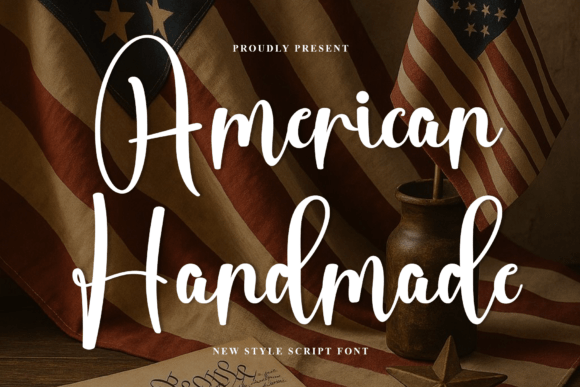
When you analyze the structure of American Handmade, you see a deliberate deviation from the rigid standards of digital construction. It features a tall, slightly condensed cursive anatomy that mimics the natural rhythm of a hand moving confidently across paper. The strokes are medium-weight, offering a visual solidity that prevents the text from looking flimsy or overly delicate. This balance is crucial. Many handwritten fonts fail because they are either too thin to read at small sizes or too thick to be used for anything other than a single-word headline.
The visual personality of this premium font is defined by its smooth, flowing connections. It avoids the jagged, erratic edges found in "grunge" typography, opting instead for a clean, approachable confidence. This makes it an extraordinary choice for heritage branding and vintage editorial headers. It feels lived-in and familiar, like a well-loved book or a handwritten recipe passed down through generations. However, it maintains a level of polish that ensures it fits perfectly within contemporary web design and high-end packaging design.
Strategic Applications: Where Style Meets Substance
Choosing a creative font is about more than just aesthetics; it is about context. The strength of American Handmade lies in its versatility within specific niches that value authenticity. If you are working on rustic product packaging, particularly for artisanal goods like craft coffee, handmade soils, or small-batch spirits, this typeface acts as a silent ambassador for quality. It tells the customer that the product inside was made with care, mirroring the craftsmanship implied by the typography.
For logo design, especially for custom woodworking logos or boutique construction firms, the font provides a rugged yet refined foundation. It pairs exceptionally well with strong imagery. However, its utility extends far beyond physical products. In the realm of digital marketing and social media graphics, American Handmade cuts through the noise. A script font with this much character can stop a scrolling thumb, making it ideal for Instagram quotes, Pinterest graphics, and email headers that need to feel personal rather than corporate.
Consider the following scenarios where this typeface elevates the work:
- Artisanal Food Labels: Using American Handmade for the product name on a jar of jam or a bottle of hot sauce immediately communicates homemade flavor and tradition.
- Wedding Stationery & Invitations: The elegant flow of the script is perfect for event stationery, offering a romantic and bespoke feel without the illegibility of more complex calligraphy fonts.
- Blog Headers: For lifestyle bloggers, food writers, or travel creators, using this typeface for post titles adds a layer of intimacy and personal voice to the content.
Mastering Visual Hierarchy and Readability
One of the most common mistakes in modern typography is the overuse of expressive fonts. While American Handmade is a powerful display font, it shines brightest when used strategically to create visual hierarchy. Because it is a script font, it commands attention. Therefore, it is best reserved for headlines, sub-headers, and pull quotes rather than long-form body copy.
To maximize readability and impact, pair American Handmade with a neutral background typeface. A clean serif font can complement its traditional roots, creating a layout that feels like a classic magazine spread. Alternatively, pairing it with a geometric sans serif font creates a striking contrast between the organic, human nature of the script and the structured, modern efficiency of the sans serif. This contrast is a staple of effective brand identity design because it balances emotion with logic.
When testing font pairings, pay attention to the x-height and weight. Since American Handmade has medium-weight strokes, it sits comfortably alongside fonts that are neither too thin nor ultra-bold. This ensures that your design assets look cohesive rather than disjointed.
Practical Implementation and Licensing
Before finalizing a project, it is vital to evaluate the technical aspects of the font. As a commercial font, American Handmade typically comes with specific licensing terms depending on the vendor. Always review the license to ensure it covers your intended use, whether that is for a single client project, a global advertising campaign, or digital products like templates sold on Etsy.
When integrating this premium font into your workflow, test it across different devices and mediums. A font that looks beautiful on a high-resolution monitor might lose some of its nuance when printed on textured recycled paper, or vice versa. For web design, ensure that the font loads correctly and that the fallback fonts in your CSS are stylistically similar enough to maintain the design's integrity if the custom font fails to load.
Ultimately, American Handmade is more than just a collection of vector points; it is a tool for storytelling. Whether you are a small business owner looking to define your voice, a designer seeking a reliable handwritten font for client work, or a publisher aiming to evoke a specific era, this typeface delivers a sense of legendary, timeless style. It transforms standard text into something that feels genuinely crafted, making every word resonate with warmth and authenticity.