Unlocking Elegance: A Designer’s Guide to Queen Elizabeth Font
There is a distinct moment in the creative process when a project transitions from a rough concept to something polished and emotionally resonant. Often, that shift happens with typography. For designers, entrepreneurs, and content creators aiming to infuse their work with a sense of royal sophistication and personal warmth, the Queen Elizabeth Font stands out as a compelling choice. It is not merely a collection of letters; it is a gorgeous handwritten script font designed to capture the fluidity of ink on high-quality paper. If you are working on a project that demands a "princess" aesthetic without veering into childish territory, this typeface offers the versatility and elegance you need.
The Anatomy of Royal Elegance
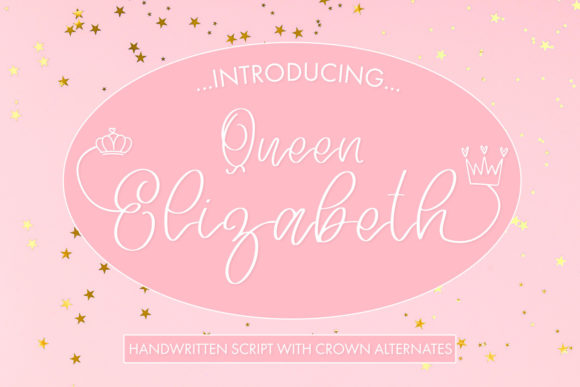
At its core, the Queen Elizabeth Font is a celebration of modern calligraphy. Unlike rigid, structured typefaces that can feel impersonal or corporate, this script font mimics the natural flow of a hand-lettered message. The visual characteristics are defined by smooth, flowing strokes and a delicate balance between thick and thin lines. This contrast creates a dynamic rhythm that guides the eye across the page. It carries a personality that is romantic, graceful, and undeniably sophisticated.
For the modern designer, understanding the "vibe" of a typeface is just as important as reading its technical specifications. This font exudes a sense of luxury. It feels premium without being stuffy. It works beautifully as a display font, meaning it is designed to be used in headlines, logos, or short bursts of text where visual impact is paramount. When you use Queen Elizabeth Font, you are signaling to your audience that the content they are about to engage with has been crafted with care and attention to detail. It bridges the gap between traditional calligraphy and modern typography, making it suitable for both vintage-inspired designs and contemporary minimalist layouts.
Strategic Applications: Where to Use This Script Font
Knowing a font exists is one thing; knowing how to deploy it effectively is another. The true value of the Queen Elizabeth Font lies in its versatility across various mediums. Whether you are a small business owner crafting a brand identity or a hobbyist working on DIY projects, this font adapts to the context.
Branding and Logo Design
For entrepreneurs in the fashion, beauty, wedding, or lifestyle industries, a logo sets the tone for the entire business. A sans serif font might scream efficiency, but a script font like this whispers luxury. Using Queen Elizabeth Font in your logo design can establish an immediate emotional connection with your target audience. It suggests that your brand is approachable yet high-end. However, legibility is key in branding. Because this is a flowing script, it works best for brand names that are relatively short and distinct. It pairs exceptionally well with a clean sans serif font for taglines or sub-text, creating a strong visual hierarchy.
Packaging and Editorial Design
Imagine a candle label, a gourmet chocolate box, or a high-end invitation suite. The packaging design often dictates the perceived value of the product. Queen Elizabeth Font excels here because it adds a tactile, human element to printed materials. In editorial design, such as magazine headers or pull quotes, it breaks up the monotony of body text (usually set in a serif font) and adds a touch of personality. It draws the reader's attention to specific key messages, enhancing readability of the most important information.
Digital and Social Media Graphics
In the fast-paced world of social media, stopping the scroll is the primary goal. The aesthetic appeal of the Queen Elizabeth Font makes it a powerful tool for Instagram graphics, Pinterest pins, and website headers. It renders beautifully on screen, maintaining its clarity even at smaller sizes, provided the background contrasts well with the text. Content creators and bloggers can use this font to create cohesive visual templates that reinforce their brand identity across every post.
Technical Excellence: The PUA Encoding Advantage
One of the most practical features of the Queen Elizabeth Font is its technical accessibility. For those unfamiliar with font engineering, PUA stands for Private Use Area. In simple terms, this means the font is PUA encoded, which allows you to access all of the glyphs, swashes, and alternate characters with ease, regardless of the software you are using.
This is a massive advantage for DIY crafters and small business owners who might not have access to professional design software like Adobe Illustrator or InDesign. Whether you are working in a simple word processor, a basic design app, or a cutting machine program for vinyl projects, you can unlock the full potential of the font. This accessibility ensures that the special flourishes and stylistic alternates that make the font unique are available to everyone, not just professional graphic designers.
Mastering Font Pairing and Visual Hierarchy
A common mistake in design is using a single decorative font for everything. While the Queen Elizabeth Font is stunning, using it for long paragraphs of body text would hinder readability. It is best utilized as a "hero" font.
To create a professional layout, you must master font pairing. Because Queen Elizabeth Font has a high level of detail and ornamentation, it pairs best with something simple and grounded.
- Pair with Sans Serif: A clean, geometric sans serif font (like Montserrat or Lato) creates a modern contrast. The simplicity of the sans serif allows the complexity of the script to shine without visual clutter.
- Pair with Serif: For a more traditional, romantic look, pair it with a transitional serif font. This works well for wedding invitations or classic editorial layouts.
Visual hierarchy is about guiding the viewer's eye. Use the Queen Elizabeth Font for the most important element—usually the headline or the name on a business card. Use a secondary, more legible font for the details. This contrast ensures that your message is both seen and understood.
Practical Considerations for Commercial Use
When selecting a premium font, it is crucial to understand the licensing. The Queen Elizabeth Font is a commercial font, meaning it is an investment in your design assets. Before purchasing or downloading, always review the license agreement. Most licenses for fonts of this caliber allow for a wide range of commercial uses, including:
- Physical Products: Creating items for sale such as t-shirts, mugs, or printed stationery.
- Digital Products: Using the font in templates sold on marketplaces (though some licenses require an extended license for this).
- Client Work: Using the font in designs created for paying clients.
Always verify if the license covers the specific usage you have in mind. This due diligence protects your business and respects the work of the font designer. Furthermore, check the file formats included. A high-quality font package usually includes .OTF (OpenType) and .TTF (TrueType) files, ensuring compatibility with both Mac and Windows systems.
Final Thoughts on Creative Execution
The Queen Elizabeth Font is more than just a script typeface; it is a design asset that carries weight and emotion. It transforms standard text into art. For the designer looking to add a personal touch to a website, or the entrepreneur aiming to elevate their packaging, this font offers a reliable solution. It combines the beauty of traditional calligraphy with the precision of modern typography.
As you move forward with your projects, consider the context of your audience. Think about how the slant, the flow, and the swashes of the Queen Elizabeth Font will make them feel. Typography is the voice of your design. By choosing a font that speaks with elegance and clarity, you ensure that your message is not just read, but felt. Whether it is a wedding invitation, a social media post, or a brand logo, this font provides the tools to create something truly memorable.