Phoebe Willow: The Hand-Lettered Script for Authentic Designs
There is a specific kind of charm that digital text often misses—the warmth of a hand-written note, the slight imperfections that signal a human touch. In a landscape saturated with geometric precision and cold sans-serifs, Phoebe Willow emerges as a refreshing counterpoint. This sweet, soft hand-lettered script is designed to bridge the gap between professional digital design and the authentic feel of handcrafted art. If you are a designer, entrepreneur, or crafter looking to inject personality into your work, understanding how to leverage this typeface is essential.
Decoding the Visual Personality
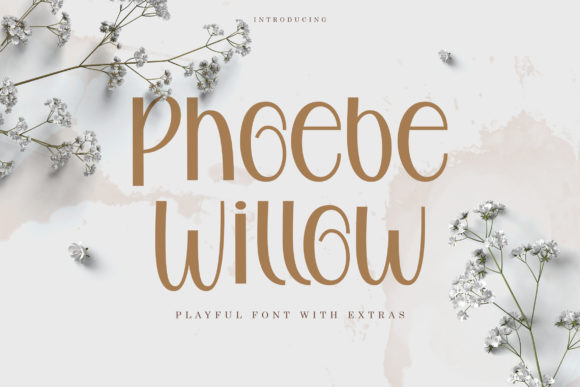
At its core, Phoebe Willow is defined by its playful, rounded characters. It avoids the aggressive slant often found in traditional calligraphy scripts, opting instead for a vertical, friendly stance. This makes it a versatile script font that feels approachable rather than formal. The visual weight is consistent, ensuring that it holds up well in various sizes without losing legibility.
The design philosophy here centers on "authentic feel." It mimics the natural flow of a brush or marker pen, capturing the subtle bounce and variance of manual lettering. This isn't just another handwritten font; it is a carefully crafted display font intended to be the focal point of a composition. Whether you are working on wedding invitations or social media graphics, the font provides an immediate sense of warmth and nostalgia.
Practical Applications: Beyond the Invitation Suite
While Phoebe Willow is an obvious choice for wedding invitations and stationery art, its utility extends far beyond the bridal industry. As a premium font, it offers the stability and glyph variety required for commercial projects.
Consider the following scenarios where this typeface excels:
- Brand Identity: For small businesses, particularly in the lifestyle, beauty, or artisanal food sectors, Phoebe Willow can form the backbone of a brand identity. It signals craftsmanship and care.
- Packaging Design: When designing labels for boutique products, a handwritten font like this can make a product feel more personal and less mass-produced.
- Editorial Design: In magazines or blogs, use it for pull quotes or section headers to break the monotony of body text. It adds a layer of visual interest to editorial design layouts.
- Digital Content: For web design and social media graphics, the font’s high-contrast, rounded style ensures it pops on small screens, making it ideal for Instagram stories or Pinterest pins.
The Strategic Value of PUA Encoded Extras
One of the standout technical features of Phoebe Willow is its PUA (Private Use Areas) encoding. For the uninitiated, this means the font includes special characters, ligatures, and swashes that are accessible even in standard text editors that do not support OpenType features natively.
For content creators and marketers, this is a massive time-saver. You can add a decorative flourish to a header or a tail to a signature without needing advanced software like Adobe Illustrator. This capability allows you to create "stunning crafting art" and DIY projects with professional-grade typography tools. It democratizes high-end design, allowing hobbyists and entrepreneurs to achieve the same decorative touch as seasoned typographers.
Font Pairing and Visual Hierarchy
A common mistake with expressive script fonts is overuse. Using Phoebe Willow for an entire paragraph would result in eye strain and poor readability. The key to professional typography is contrast.
To create a strong visual hierarchy, pair Phoebe Willow with a clean, neutral typeface. A geometric sans serif font works exceptionally well. The simplicity of the sans-serif allows the intricate details of the script to shine without competition. Alternatively, for a classic, editorial look, you could pair it with a sturdy serif font.
When testing your pairings, look at the x-height and the weight. You want the Phoebe Willow headers to command attention, but they shouldn't overpower the supporting text so much that the layout feels disjointed. Balance is the goal of modern web design and print layout.
Licensing and Project Fit
Before integrating any new design assets into your workflow, it is crucial to review the licensing. Because Phoebe Willow is a commercial font, it usually comes with specific terms regarding usage. Most premium fonts allow for a wide range of applications, from digital ads to physical merchandise, but verifying the license for high-volume commercial use is always a best practice.
When evaluating if this font fits your project, ask yourself: "Does my brand voice need to feel approachable?" If the answer is yes, Phoebe Willow is a strong candidate. It is less about "professionalism" in the corporate sense and more about "professionalism" in the artisanal sense. It tells your audience that there is a creative, human element behind the product or service you are offering.
Final Thoughts on Creative Implementation
In the realm of modern typography, trends come and go, but the desire for human connection remains constant. Phoebe Willow taps into this desire effectively. It is a creative font that serves as a tool for storytelling. By using it for logo design, greeting cards, or digital headers, you are not just choosing a style; you are choosing a mood.
Take the time to explore the swashes and alternates included in the package. Play with the spacing. Test it against different color palettes. When used thoughtfully, this typeface can transform a standard layout into something that feels bespoke and genuine, helping you connect with your audience on a more personal level.