Happy Spring: The Script Font for Authentic Branding
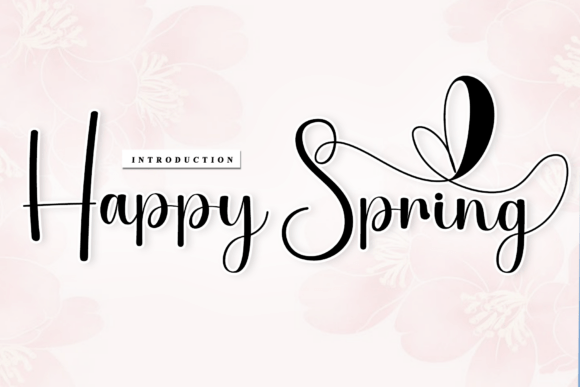
When you first see the Happy Spring typeface, it doesn't just read like a word; it feels like a gesture. It’s the kind of premium font that captures the specific energy of a handwritten note from a friend, but with the technical precision required for professional logo design and packaging design. In a digital landscape often dominated by rigid geometric sans-serifs, this font offers a breath of fresh air. It is a sophisticated, rhythmic script font that perfectly balances a calligraphic style with a warm, organic aesthetic. If you are looking to inject a sense of personalized artistry into your next project, understanding the nuances of Happy Spring is your first step.
The Anatomy of Artisanal Appeal
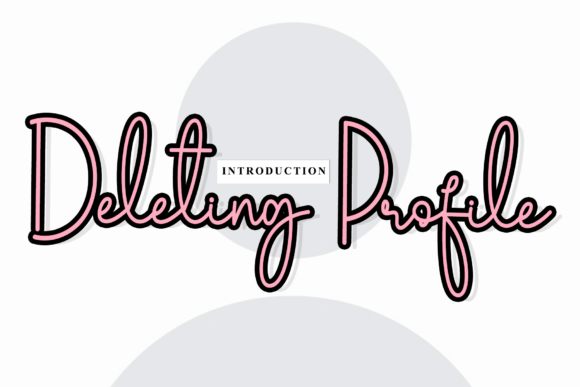
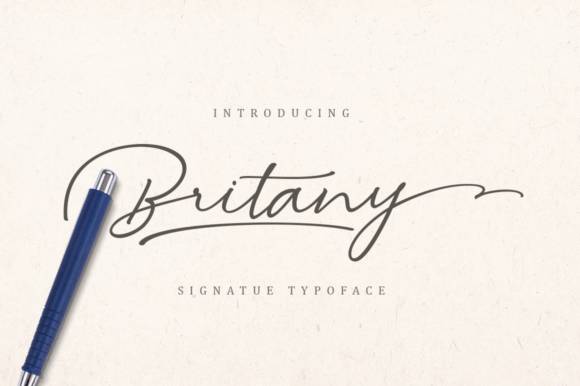
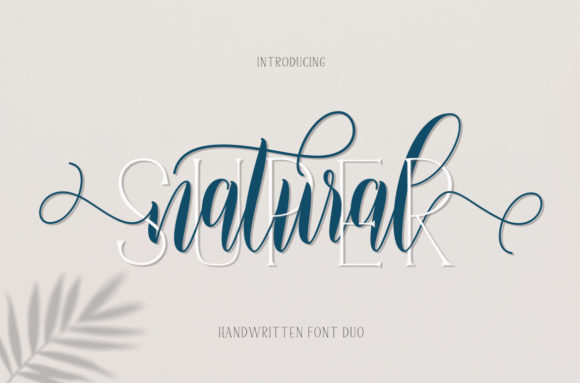
What makes a font feel "handmade" without looking messy? It comes down to the details of the letterforms. The defining characteristic of Happy Spring is the use of sweeping, looping ascenders. These are the parts of the letters like h, d, and b that rise above the median line. In many standard script fonts, these loops can feel restrictive or overly uniform. However, in Happy Spring, they extend with a fluid, dance-like quality that creates a sense of customized, artisanal artistry.
This isn't a chaotic handwritten font; it is a curated one. The rhythm of the typeface suggests a steady hand holding a pointed pen, moving swiftly across high-quality paper. This visual personality is crucial for brand identity. It tells your audience that your brand values human connection and craftsmanship over mass-produced sterility. Whether you are designing a brand identity for a boutique bakery or laying out a lifestyle magazine, the visual warmth of this typeface does a lot of heavy lifting in establishing an emotional connection.
Strategic Applications: Where Happy Spring Shines
Choosing a creative font is about more than just aesthetics; it is about context. Happy Spring is a premier choice for specific sectors, particularly those where the "human touch" is a selling point. Here is where this typeface truly excels:
- Artisanal Food Branding: If you are designing for a craft coffee roaster, an organic jam company, or a high-end chocolatier, this font screams "quality ingredients." It pairs beautifully with textured backgrounds and earth tones, reinforcing the idea that the product is made with care.
- Boutique Product Packaging: In the world of packaging design, shelf appeal is everything. Happy Spring works exceptionally well for candles, skincare, and stationery. Its looping ascenders add verticality to the design, allowing you to create elegant hierarchies where the product name stands out as a piece of art.
- Upscale Lifestyle Marketing: For social media graphics promoting wellness retreats, wedding planners, or interior design services, this font provides an instant "high-end" vibe. It feels expensive and exclusive, yet approachable.
- Creative Editorial Titles: While you wouldn't use a script font for body text, Happy Spring is a powerhouse for headlines in editorial design. It creates a striking contrast when placed next to a clean sans serif font, drawing the reader's eye immediately to the feature story.
Font Pairing and Visual Hierarchy
One of the most common mistakes I see in modern typography is the failure to pair fonts correctly. A script font like Happy Spring is a display typeface, meaning it is designed for impact, not for long paragraphs. If you try to write a blog post entirely in this script, your readers will suffer from eye strain within minutes.
The secret to using Happy Spring effectively is contrast. Because it is organic, flowing, and high-contrast, it needs a partner that is stable and neutral.
- Pair with a Geometric Sans Serif: A clean sans serif font like Montserrat or Lato provides the perfect foundation. The rigid geometry of the sans serif highlights the fluidity of Happy Spring, making the header pop.
- Pair with a Classic Serif: For a more traditional, "heritage" look, try pairing it with a transitional serif font. This works well for wedding invitations or luxury real estate brochures where you want to imply tradition and elegance.
When building your visual hierarchy, use Happy Spring for the primary focal point—usually the H1 header or the logo mark. Use your secondary font for sub-headers and body copy. This ensures that your web design or print layout remains readable while still feeling stylistically cohesive.
Technical Considerations and Readability
As a designer, I always advocate for testing your design assets before committing. While Happy Spring is a high-quality typeface, readability depends on implementation. Because of the intricate loops, this font requires adequate spacing (tracking) and leading.
If you place the text too close together, the ascenders and descenders will crash into each other, turning your elegant headline into a visual mess. Give the text room to breathe. Additionally, consider the size. This is a display font that shines at larger sizes. On web design projects, ensure your CSS scales the font appropriately for mobile devices; a script font that looks majestic on a desktop monitor might become illegible on a small smartphone screen if not handled correctly.
Furthermore, when utilizing Happy Spring for commercial projects, always verify the licensing. Most premium fonts come with specific tiers for desktop use, app embedding, and web fonts (WOFF2). Ensuring you have the correct commercial font license protects your business and supports the typographers who create these intricate design assets.
Elevating Your Brand Identity
Ultimately, the tools you choose reflect the quality of your work. Incorporating Happy Spring into your toolkit is a statement about your commitment to quality and aesthetics. It moves beyond the generic look of default system fonts and signals to your audience that you care about the details.
Whether you are a small business owner designing your first logo, a publisher crafting a compelling magazine cover, or a content creator looking to upgrade your social media graphics, this font offers versatility and charm. It bridges the gap between the raw energy of a handwritten font and the polish of a professional typeface. By using it strategically, pairing it wisely, and respecting its visual rhythm, you can transform a standard layout into something that feels genuinely alive.