Garden Walk Font Duo: A Creative Asset for Modern Branding
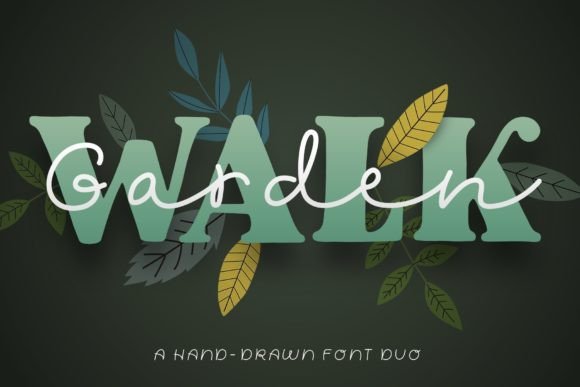
Finding the right typeface often feels like searching for a missing puzzle piece. You have the colors, the imagery, and the message, but the typography needs to tie it all together without stealing the show. Garden Walk offers a distinct solution for this challenge. It is not just a single font, but a carefully curated pair designed to work in harmony. This combination brings together two contrasting styles: a delicate, monoline script and a commanding, stylized serif. The result is a versatile design asset that can adapt to a wide range of creative needs, from a small business logo to a full editorial layout.
Anatomy of a Versatile Typeface
Understanding the components of Garden Walk is key to using it effectively. The first element is the script font. It is not a traditional, flowing calligraphy. Instead, it features a consistent, thin line weight that gives it a modern, clean feel. This monoline quality makes it highly legible, even at smaller sizes, and prevents it from looking overly formal or dated. It carries a sense of approachability and craftsmanship, perfect for adding a personal touch.
The second half of the duo is the serif font. This is where the visual weight and structure come from. It is bold and stylized, meaning it has enough character to stand out but remains clean enough for professional use. The serifs are likely designed to complement the curves of the script, creating a cohesive visual language when the two are used together. This pairing is a classic example of dynamic contrast in modern typography, balancing fluidity with stability.
Practical Applications Across Creative Projects
The true value of a premium font like this lies in its application. For entrepreneurs and small business owners, the Garden Walk duo is a powerful tool for brand identity. Imagine a boutique coffee shop. The serif font could be used for the main business name on signage and menus, providing clear, bold recognition. The script font could then be used for the tagline, daily specials, or the name of a featured blend, adding a layer of warmth and personal service. This creates a visual hierarchy that guides the customer’s eye naturally.
In packaging design, the font shines. A artisanal soap company could use the bold serif for the product name and the script for the scent description or a short, heartfelt message from the maker. The combination feels both established and handmade, which is a compelling story for consumers. For web design, the serif is excellent for headlines and section titles, ensuring readability and impact. The script can be used sparingly for call-to-action buttons, pull quotes, or decorative elements to break up text and add visual interest without compromising the user experience.
Content creators and publishers will find numerous uses as well. For social media graphics, the font pair can create eye-catching posts. The bold serif grabs attention in a fast-scrolling feed, while the script can highlight key phrases or quotes. In editorial design, such as a magazine or a blog, the serif works well for article titles and subheadings, establishing a strong visual hierarchy. The script could be used for bylines, section markers, or pull quotes to add stylistic flair. It’s a creative font that adds personality without sacrificing the professionalism needed for publishing.
Strategic Considerations for Effective Use
Choosing a display font is a strategic decision. Before implementing Garden Walk, consider the project’s overall tone. Its combination of elegance and structure suits brands that want to appear approachable yet confident. It works well for lifestyle, beauty, food, wedding, and artisanal markets. However, it might not be the best fit for a corporate law firm or a tech startup aiming for an ultra-minimalist, geometric aesthetic. Always evaluate the font pairing against your existing design assets.
Readability is paramount. While the script is a monoline script, which is generally clearer than more ornate handwritten fonts, it is still best used for short bursts of text. Avoid setting long paragraphs in the script. Use it for headlines, logos, and accent text where its character can be appreciated without causing eye strain. The serif component is more versatile for body text, but always test it at the size and in the context of your final medium, whether print or screen.
When you invest in a commercial font, you are investing in a design tool with specific capabilities. Review the full character set and styles included with your purchase. Does it include multilingual support? Are there alternate characters or ligatures that can add unique flair? Understanding these details allows you to use the typeface to its full potential and maintain brand consistency across all touchpoints. This attention to detail elevates a project from looking homemade to professionally crafted.
Finally, consider testing the font in your specific context. Mock up a logo, a social media post, or a product label. How does the font pairing interact with your color palette and imagery? Does the overall feel align with your brand perception goals? A serif font and a script font together create a distinct mood, and you must ensure that mood matches the message you want to send. This hands-on evaluation is the most important step in choosing any typeface. Garden Walk provides the tools; your strategic application of them will determine the success of your logo design or marketing campaign.