Crying: A Sophisticated Script for Artisan Brands
Understanding the Visual Rhythm of Crying
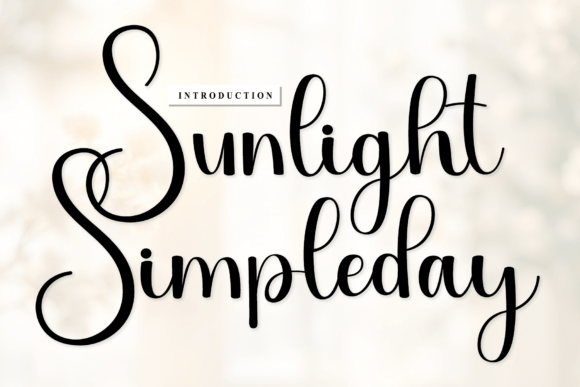
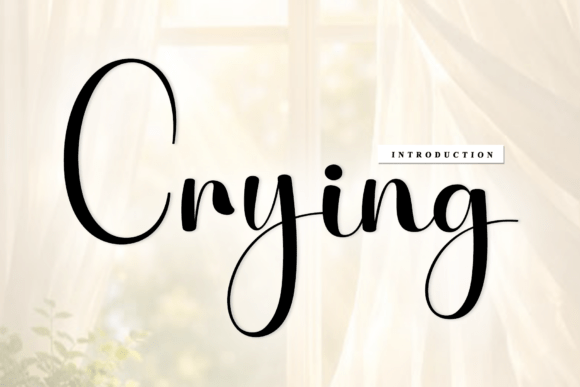
When you first encounter the Crying typeface, you aren't just seeing letters; you are witnessing a movement. As a premium font in the realm of modern typography, Crying strikes a delicate balance between the structured elegance of traditional calligraphy and the spontaneous warmth of a human hand. It is a script font that refuses to be stiff. Its defining characteristic lies in its sweeping, looping ascenders—the parts of letters like "b," "d," and "h" that rise above the x-height. These loops aren't merely decorative; they create a sophisticated rhythm that guides the eye across the page.
Unlike many generic handwritten font options that can look chaotic or childish, Crying maintains a high level of legibility while delivering a personalized aesthetic. The strokes vary in thickness, mimicking the pressure changes of a felt-tip pen or a soft brush. This organic quality makes it a standout creative font for designers who want to inject personality into their work without sacrificing professionalism. It is a display font that commands attention, making it perfect for headlines that need to feel intimate yet authoritative.
Where Crying Transforms a Design
The true value of a typeface is measured by its application. Crying is specifically engineered to excel in environments where brand perception is tied to craftsmanship. If you are working on packaging design for a boutique coffee roaster, a handmade soap company, or a high-end patisserie, this font provides the immediate visual shorthand for "quality." It suggests that the product inside was made with care, much like the letterforms themselves.
For brand identity projects, Crying serves as a powerful tool for logo design. A logo utilizing this font instantly communicates a "lifestyle" brand vibe—think upscale yoga studios, bespoke tailoring, or artisanal bakeries. However, its utility extends far beyond physical products. In the digital space, web design trends are shifting toward more human-centric interfaces. Using Crying for hero section headers or pull quotes can break the monotony of standard sans serif font layouts, adding a layer of emotional engagement that standard serif font or sans-serif pairings often lack.
Furthermore, for editorial design and social media graphics, this font shines. Bloggers and content creators often struggle to find a typeface that feels "authentic" for Instagram stories or Pinterest pins. Crying provides that hand-lettered look that performs well on social platforms, helping posts stand out in a crowded feed. It is particularly effective for quotes, sale announcements, and headers on mood boards.
Practical Implementation: Pairing and Readability
Adopting a distinct display font like Crying requires a strategic approach to design assets management. The most common mistake creatives make is overusing a script font. Because Crying is so expressive, it works best when used sparingly. It is a headline maker, not a body copy workhorse. Attempting to set long paragraphs in Crying will inevitably lead to readability issues and visual fatigue.
The secret to successful font pairing with Crying is contrast. You need a stable, neutral partner to anchor the design. A clean, geometric sans serif font (like Montserrat, Helvetica, or Lato) creates a modern, high-contrast look. This combination allows the looping nature of Crying to pop without competing for attention. Alternatively, pairing it with a classic, old-style serif font (like Garamond or Baskerville) creates a more traditional, romantic aesthetic, ideal for wedding invitations or vintage branding.
Evaluating the Fit for Your Project
Before finalizing your choice, consider the specific "voice" of your project. Does your brand speak with a whisper or a shout? Crying speaks with a confident, artistic whisper. It implies sophistication. If your target audience is looking for rugged, industrial, or hyper-technical solutions, a script font like this might send the wrong signal. However, for markets targeting adults aged 20–50 who value aesthetics, wellness, and craftsmanship, it is a perfect match.
When testing the font, look at the specific letter combinations relevant to your project. Type out your business name or key headlines. Pay attention to the kerning (spacing) between letters. While premium font files usually have excellent built-in kerning, the looping nature of scripts can sometimes create awkward gaps or overlaps depending on the letters adjacent to one another. Be prepared to manually adjust tracking in your design software to ensure the flow feels seamless.
Licensing and Professional Usage
As you move from concept to execution, the technical aspect of commercial font licensing becomes crucial. Crying is a professional tool, and like all professional design assets, it comes with specific usage rights. If you are a freelancer or an agency, ensure you understand the scope of the license. Does it cover web embedding? Can it be used on merchandise for sale?
For small business owners creating their own packaging design, verifying that your license covers the number of users in your office and the specific mediums you intend to print on is essential. Most foundries offering high-quality modern typography provide different tiers for desktop, web, and app usage. Investing in the correct license not only keeps you legal but supports the type designers who craft these intricate lettering systems.
Ultimately, integrating Crying into your toolkit is about elevating your visual communication. It bridges the gap between the digital and the handmade, offering a solution for designers, marketers, and entrepreneurs who want their work to feel both polished and deeply personal. Whether you are launching a new brand identity or refreshing your social media graphics, this font offers a timeless elegance that resonates with audiences seeking authenticity.