Bring Your Vision to Life with the Dreaming Font
Every designer hits a wall sometimes. You have the concept, the color palette, and the layout, but the typography feels sterile. It lacks the human touch, the spontaneous energy that makes a piece of art truly resonate. This is where you need a typeface that doesn't just sit on the page but dances across it. We are looking at a specific kind of premium font that bridges the gap between professional polish and raw, artistic expression. It is time to move beyond the rigid constraints of standard sans serif font families and explore something with a pulse.
The Anatomy of a Hand-Penned Display Font
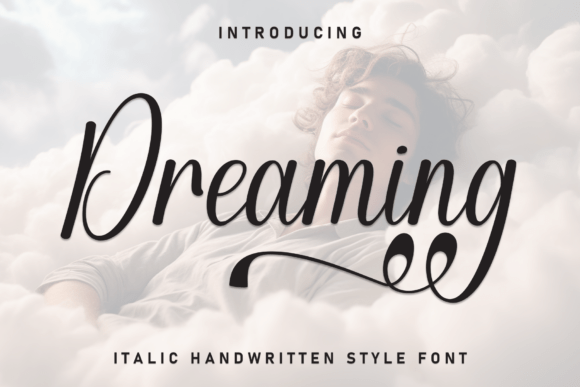
At its core, the Dreaming typeface is a display font designed to capture the essence of hand-lettering. Unlike a traditional script font that might feel too formal or cursive, or a standard handwritten font that can look messy, this style strikes a delicate balance. It features bold, dynamic strokes that mimic the pressure and flow of a brush or pen held by a confident artist. The letterforms are not static; they possess a spirited whimsy that suggests movement and joy.
When you look closely at the anatomy of Dreaming, you notice the subtle imperfections that make it feel authentic. The terminals are soft, and the connections between letters are fluid, creating an airy rhythm. This is not a modern typography tool built for body text in a legal document. It is a creative font meant to grab attention. Its personality is friendly and inviting, yet it carries a distinct adventurous charm. It breathes life into designs by introducing a level of emotional depth that geometric fonts simply cannot replicate.
Strategic Applications: Where Dreaming Shines
Knowing when to use a display font is just as important as knowing how to use it. Because of its distinct character, Dreaming excels in specific environments where emotional connection and visual hierarchy are paramount.
Wedding Invites and Stationery
The wedding industry thrives on romance and personalization. A stiff corporate font will kill the mood of an invite instantly. Dreaming introduces that necessary emotional weight. It works beautifully for the names of the couple or the headers of the suite. Its spirited nature suggests a celebration, making it perfect for save-the-dates, menus, and thank-you cards.
Branding and Logo Design
For small business owners and entrepreneurs, logo design is about differentiation. If you are building a brand identity for a boutique coffee shop, a florist, a lifestyle blog, or a creative agency, you need a typeface that feels approachable. Using Dreaming in your logo or wordmark can soften a brand, making it feel more human and less corporate. It tells the customer, "We are creative, and we care about the details."
Digital and Print Marketing
In the fast-paced world of social media, stopping the scroll is everything. Social media graphics utilizing Dreaming can stand out against the noise of generic stock images. It is equally effective in packaging design for artisanal goods, where the typography needs to reflect the care put into the product. Whether it is a hero banner on a website or a call-to-action in an email newsletter, this font commands attention without shouting.
Influence on Visual Hierarchy and Engagement
Typography is the voice of your design. The choice of Dreaming as your primary display font directly influences how your audience perceives your message. By using a handwritten font for headings and subheadings, you create a clear visual hierarchy. The eye is naturally drawn to the unique texture of the script, allowing you to guide the reader through your content logically.
This font impacts brand perception by fostering trust through authenticity. In an era of digital perfection, a handwritten font feels like a personal note from the creator. It increases audience engagement because it feels less like an advertisement and more like a conversation. However, a professional designer knows that readability is king. While Dreaming is legible at larger sizes, it is not designed for long-form reading. Pairing it with a clean serif font or a neutral sans serif font for body copy is essential for maintaining professionalism and clarity.
Practical Guide to Integrating Dreaming
To get the most out of this asset, you need to approach it with a strategy. Here is how to evaluate and implement Dreaming into your workflow:
- Evaluating Project Fit: Ask yourself if the project requires warmth. If you are designing a technical manual, skip it. If you are designing a book cover for a romance novel or a menu for a bistro, it is a perfect fit.
- Testing Font Pairings: The best way to use a script font is to let it do the heavy lifting for headlines while a quiet partner does the work for the body. Try pairing Dreaming with a geometric sans serif for a modern contrast, or a classic serif for a more traditional, elegant look.
- Reviewing Styles and Glyphs: A high-quality commercial font often comes with alternates, ligatures, and swashes. Explore the OpenType features of Dreaming. Swapping out a standard "t" for a stylistic alternate can add flair to your editorial design or web design project.
- Licensing for Commercial Use: Always verify the licensing. If you are creating design assets for resale or using the font in a massive corporate campaign, ensure your license covers commercial font usage. This protects you legally and supports the type designers who created the work.
Ultimately, Dreaming