Africa: A Rhythmic Script Font for Autumn Projects
There’s a particular feeling that arrives with autumn—a shift toward warmth, richness, and a sense of grounded elegance. Capturing that essence in a design project often comes down to the details, and typography is one of the most powerful details you have. The Africa typeface is a sophisticated and rhythmic script font that embodies this “unique and professional” autumnal visual voice. It’s not just another handwritten font; it’s a modern, high-end tool designed to bring a specific, seasonal character to your work. As part of a contemporary handwritten collection, Africa offers a blend of artistic flair and structured professionalism that can elevate a wide range of creative projects.
The Anatomy of Autumn: Understanding Africa’s Visual Character
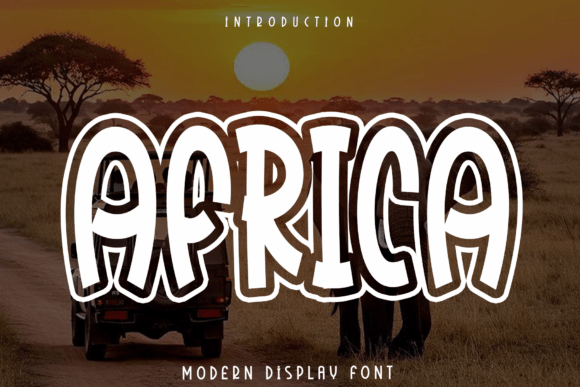
At its core, Africa is a premium font built on contrast. Its high-contrast strokes are its signature feature: thick, grounded downstrokes provide stability and presence, while delicate hairline connectors and upstrokes introduce a sense of movement and elegance. This interplay creates a dynamic rhythm on the page, much like the changing colors of fall leaves. The vertically elongated letterforms give it a poised, upright posture, avoiding the casual slouch of many script fonts. This is complemented by graceful, looping ascenders that mimic the fluidity of high-end inkwork, adding a touch of artisanal craftsmanship.
The personality of this typeface is one of confident sophistication. It doesn’t shout; it speaks with a clear, refined voice. Think of it as the typographic equivalent of a well-tailored wool coat or the scent of spiced cider—immediately recognizable, seasonally appropriate, and inherently stylish. Its appeal lies in its ability to feel both personal and polished, making it an excellent choice for projects that need to convey warmth without sacrificing professionalism.
Where Africa Truly Shines: Practical Applications for Designers and Brands
Understanding a font’s character is one thing; knowing where to apply it is what brings real value. Africa’s strengths make it a versatile asset across several key areas. For seasonal autumn marketing, it’s a natural fit. Imagine it on social media graphics announcing a harvest festival, on email headers for a fall product launch, or as the primary display font on a promotional poster. Its rhythmic quality catches the eye and immediately sets a thematic tone.
In the realm of packaging design, particularly for artisanal food brands, Africa excels. It would look stunning on labels for small-batch preserves, gourmet coffee blends, or specialty teas. The font’s association with craftsmanship and premium quality can elevate a product’s perceived value on the shelf. Similarly, for boutique event invitations—think autumn weddings, harvest dinners, or exclusive gallery openings—this script font provides the perfect blend of elegance and personality. It sets the mood before the guest even reads the details.
Beyond seasonal uses, consider Africa for sophisticated editorial headers in magazines or blogs, especially those focused on lifestyle, food, or design. In logo design, it can serve as the primary wordmark for a boutique brand, a high-end bakery, or a creative studio, provided it’s paired thoughtfully. Its strong visual identity makes it excellent for creating a memorable brand identity, but it’s crucial to test it at small sizes for legibility in body text or on mobile screens.
Making Africa Work: A Practical Guide to Implementation
Choosing the right font is only half the battle; using it effectively is what matters. When evaluating if Africa is the right fit for your project, start by assessing the overall mood you need to convey. Does your project call for warmth, sophistication, and a touch of artisanal charm? If the answer is yes, it’s a strong candidate. Always test it in context. Place a sample headline or logo mockup next to your other design elements, color palette, and imagery to ensure harmony.
One of the most critical steps is testing font pairings. A powerful script font like Africa needs a stable partner. It pairs beautifully with a clean, geometric sans serif font for body text, creating a clear visual hierarchy. The contrast between the fluid, decorative script and the neutral, functional sans serif is pleasing to the eye and ensures readability. For a different feel, you could pair it with a sturdy, old-style serif font for a more traditional, literary aesthetic. Avoid pairing it with other highly decorative fonts, as this will create visual competition and confusion.
Before finalizing your choice, review the font package thoroughly. Check what styles are included—does it have alternates, ligatures, or swashes? These additional glyphs can help you customize words and avoid repetitive letterforms, adding a more authentic, hand-lettered feel to your designs. Pay close attention to readability, especially at smaller sizes or on screen. While Africa is designed for impact as a display font, always test it in the specific context where it will be used, whether that’s a website header or a printed brochure. Finally, confirm the licensing terms meet your needs, especially for commercial use. A clear license protects your project and ensures you’re using this creative font asset correctly.
Ultimately, the Africa typeface is more than just a collection of letters. It’s a design asset with a distinct point of view. By understanding its visual language and applying it with intention, you can leverage its rhythmic elegance to create work that feels both timely and timeless, perfectly capturing the sophisticated spirit of the season for your audience.